History of the theatre
The story of our stage: A history of Theatre Royal Winchester
Theatre Royal Winchester hasn't just survived for over a century — it has thrived, thanks to the passionate community that surrounds it. Our landmark Edwardian building has worn many hats, transitioning from a bustling farmers' hotel to a glamorous cinema, a vaudeville variety house, and ultimately, the vibrant live performance hub it is today.
Explore our historical timeline to see how a threat of demolition transformed this building into the city's favourite home for live entertainment.
1850–1914: From farmers to footlights
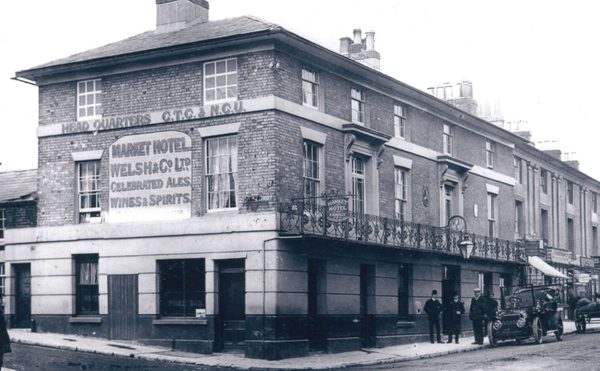
1850: The Market Hotel
Long before actors trod the boards, the building began life as The Market Hotel. It served as a cozy, lively stop‑over point for local farmers traveling to sell cattle and buy provisions at the nearby Corn Exchange.
1912: Turning into a theatre
Recognising the town's appetite for entertainment, the Simpkins brothers purchased the hotel and boldly extended it into the rear yard to build an auditorium.
1914: Variety is the spice of life
The doors officially opened as a cine-variety theatre! A typical, buzzing evening out featured live variety acts and dramatic melodramas, interspersed with silent film screenings and global newsreels.
1922–1971: The silver screen era
1922: A permanent cinema
To keep up with the global boom of the film industry, the venue was converted into a full‑time, permanent cinema.
1934–1937: The big chains arrive
The Simpkins family sold the venue to County Cinemas, which was swiftly taken over by the iconic Odeon Theatres Ltd in 1937.
1954: CinemaScope innovation
Always a trendsetter, the venue became the very first cinema in Winchester to show the revolutionary new widescreen "CinemaScope" films.
1971: Final cinema days
The venue changed hands one last time as a picture house, bought out by the Star Group of Cinemas.
Image gallery
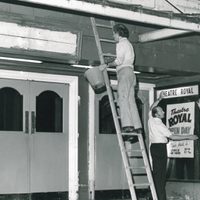
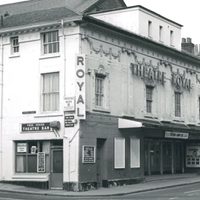
1974–1978: Saved by the crowd
1974: Theatre under threat
In June 1974, the cinema closed its doors, and the owners applied for a demolition order to replace the historic building with modern commercial offices. Refusing to lose a piece of Winchester's heart, the City Council secured a Grade II listing for the building. Within two months, passionate local residents rallied to form the Winchester Theatre Fund with a mission to bring live performance back to the city.
1977: A new lease of life
Through tireless community fundraising and the support of local trusts and the City Council, the Winchester Theatre Fund bought the building back for £35,000, launching an ambitious restoration plan.
1978: Let there be light!
After four long years of darkness, the lights flickered back on in November 1978. The building officially reopened its doors, proudly bearing the name Theatre Royal Winchester.
1979–2001: Expanding and restoring
1979–1985: Bigger and better
The theatre expanded by purchasing the two adjoining buildings on Jewry Street. Over the next few years, a new circle bar, a dedicated Box Office, new dressing rooms, and an extended stage and fly tower were built to accommodate larger touring shows.
1987: Return of the pictures
High‑tech projection facilities were re‑installed, turning the Royal back into a dual theatre and beloved 'picture palace.'
1991: The return of panto
Cinderella graced the stage, marking the first professional pantomime to be produced at the theatre in 71 years — sparking a festive tradition that continues to delight families today!
1996: Blending heritage with modernity
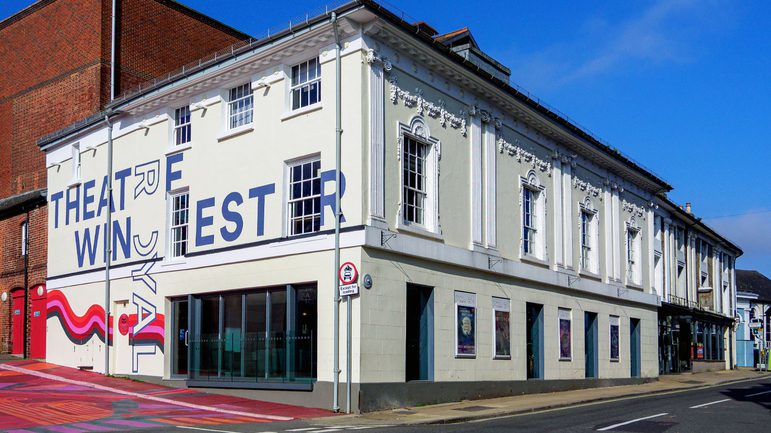
The theatre closed for a major multi‑million‑pound refurbishment funded by the National Lottery, local councils, and generous private donations. The project painstakingly restored original plasterwork and the beautiful proscenium arch, while adding a striking contemporary curved glass wall inspired by the west window of Winchester Cathedral.
2001: A theatre for the future
The grand restoration was completed, and the venue reopened as the beautiful, accessible, 400‑seat auditorium audiences love today.
Image gallery

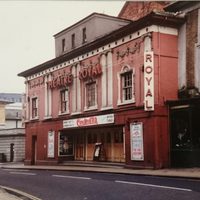
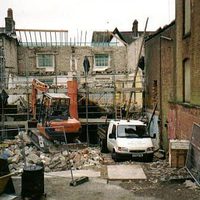
2013‑present: A vibrant, united future
2013: Outdoor arts alignment
Hat Fair, the UK's longest‑running festival of outdoor arts, officially joined forces with the theatre's operating trust.
2014: The centenary
We threw a city‑wide celebration to mark our 100th spectacular year as a theatre.
2019: Play to the Crowd is born
The charity officially rebranded as Play to the Crowd, bringing Theatre Royal Winchester, Hat Fair, and Playmakers under one unified umbrella. To celebrate, the front foyer underwent a stunning refurbishment to create an inclusive, highly accessible, and sociable Bar area.
2020: Weathering the storm
The Covid‑19 pandemic forced a temporary closure, but an outpouring of local donations through a critical fundraising campaign allowed the theatre to safely reopen with socially distanced shows by December.
2025: Street art and upgraded facilities
A vibrant exterior public art installation titled Inside Outside: Art on the Street by Pea Green Design Studio was unveiled, splashing colour across Tower Street to bridge the gap between the theatre and the community. Simultaneously, a complete transformation of the stalls toilets took place, boosting inclusivity, enhancing accessibility, and cutting down interval queues.
Theatre Royal Winchester
© 2026 Gary Baxter / Frame the Moment